Funded Books
In keeping with our mission to raise the profile of the literatures of India and its South Asian neighbours in the German-speaking world, we have provided grants to support the production of a number of contemporary novels, short-story collections and poetry volumes in direct translation from one of the subcontinent's languages. Although Literaturforum Indien does not cover the full production costs, a grant can be decisive in determining whether a book is published at all. Publishers planning to bring out such a work are welcome to apply for funding by submitting a brief description of the project and a translation sample.
Each year, at least one funded book project has been singled out for special recognition and presented at our annual conference.
28 funded titles since 2007
2026
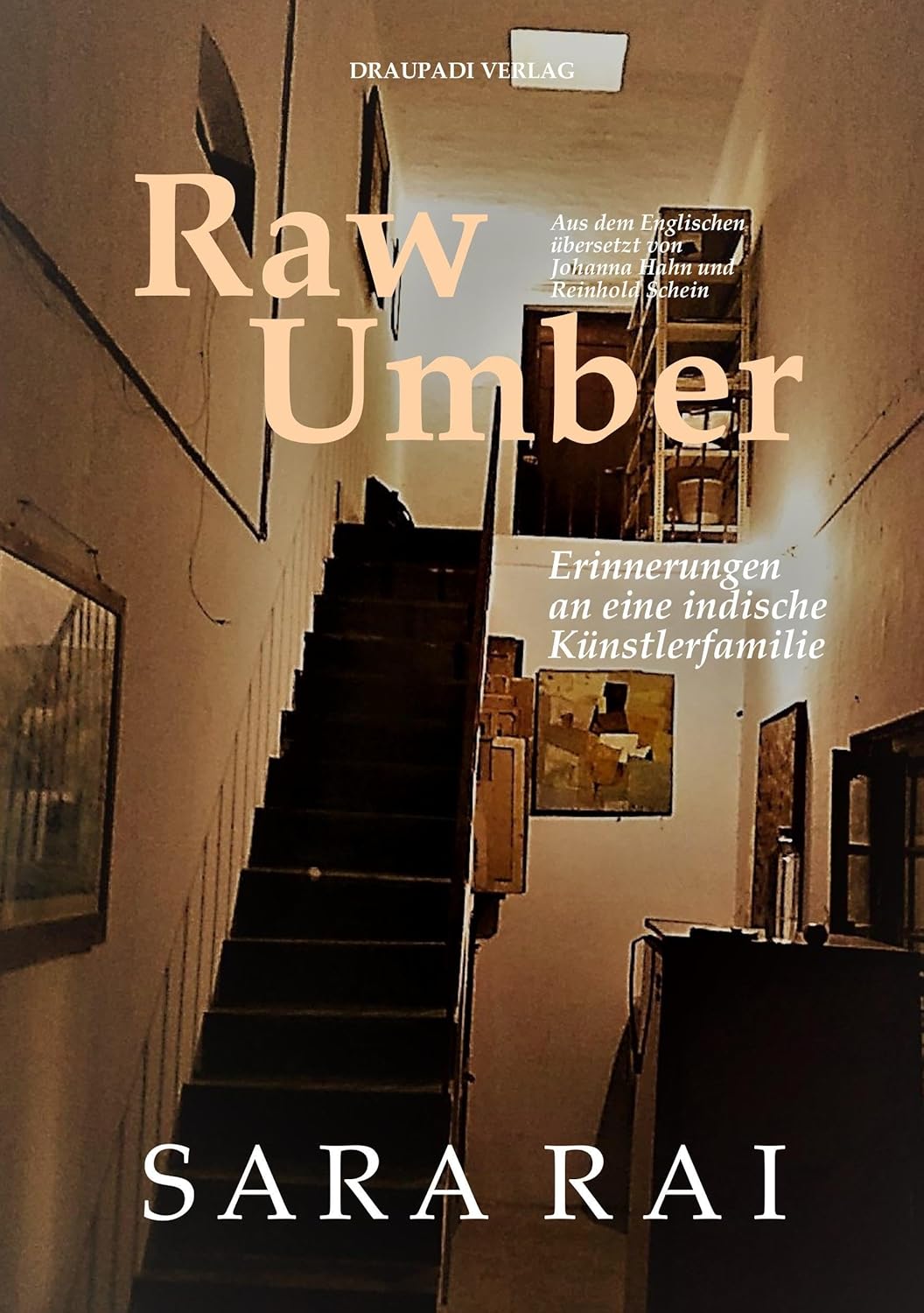
Raw Umber. Memories of an Indian Artist Family
Raw Umber is a family history of exceptional depth. Sara Rai traces her origins and her becoming as a writer. Drawing on a dense weave of personal memories and documents, she reconstructs a portrait of her family — one shaped by literature, art, and politics. In Sara Rai's life and work, influences from many traditions of India converge: Muslim and Hindu, religious and secular, historical and contemporary.
The book is a document of twentieth-century history, an intimate journal of a celebrated family, and a cultural-historical journey into India's cosmopolitan modernity.
2025
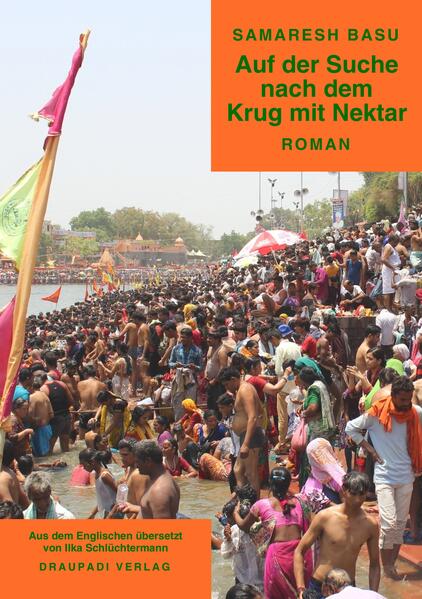
In Search of the Nectar Pot (Novel)
The Kumbh Mela is the largest religious festival in the world. In Samaresh Basu's novel (1924–1988), first published in 1954, a young Calcutta intellectual travels to the Kumbh Mela. He holds an urban-materialist worldview, yet wants to understand the fascination this festival exerts on millions. The pilgrims are sustained by hope: that bathing in the sacred waters at the confluence of the Ganges and the Yamuna will bring them closer to liberation.
2024
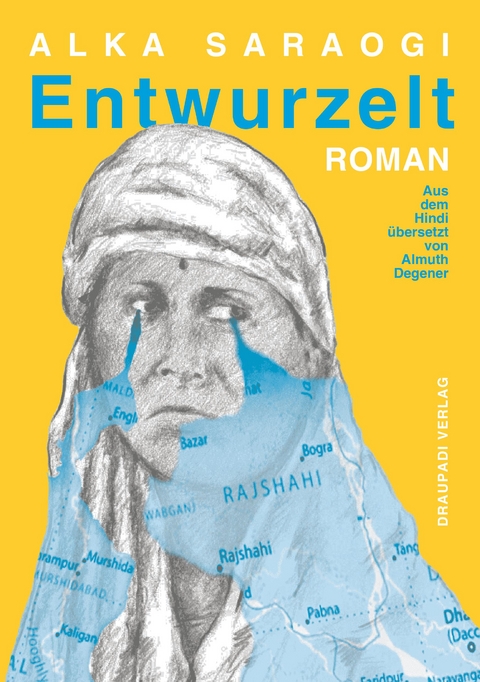
Uprooted (Novel)
Kulbhushan thinks back to how, one day before his departure, he sat on the bank of the Gorai and wept bitterly. Everyone who comes from the land of seven hundred rivers, from East Bengal, probably has such a river — one that now, after leaving the homeland, flows on secretly inside them like an unceasing stream of tears.
Claudia Kramatschek reviews the novel for SWR Kultur: Review (SWR, German)
2023
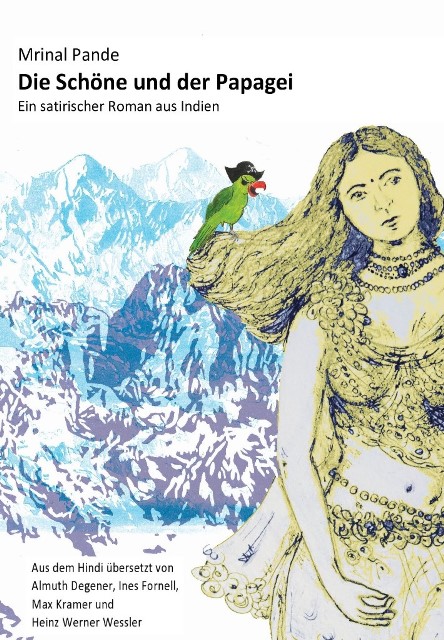
The Beauty and the Parrot. A Satirical Novel from India
The Beauty and the Parrot is a political satire — and at the same time a tribute to an age-old Indian art of storytelling handed down to the present day, as exemplified by the didactic collections Panchatantra and Hitopadesha. Characteristic of this tradition is the pairing of exuberant fabulation with a shrewd knowledge of human nature.
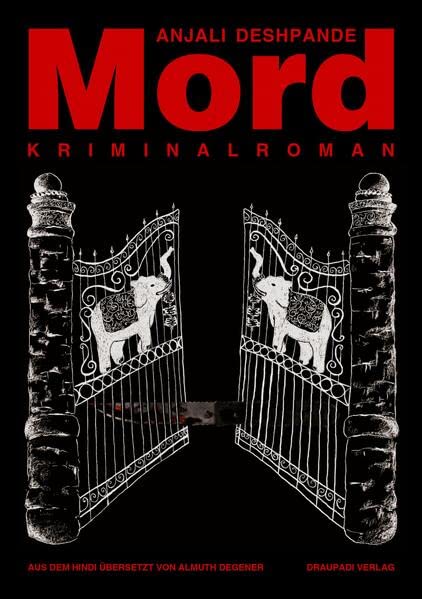
Murder (Crime Novel)
A murder has been committed. But the victim is only a prostitute. Who cares! Suspended police officer Adhirath refuses to accept easy answers. To make matters worse, he faces disciplinary proceedings for breaking the rules to help a subordinate. Adhirath investigates on his own initiative and by his own methods. Will the guilty be caught and punished in the end? Or will social forces prove stronger than evidence?
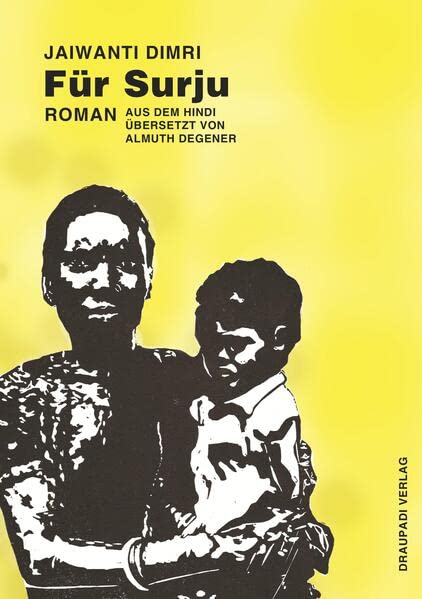
For Surju (Novella)
An Indian woman works for a time as a lecturer in Bhutan. As the story unfolds, a relationship develops between her and her equally Indian domestic worker — one that oscillates between caste and class barriers on one side and female solidarity on the other. Told in a rather laconic register, the novella weaves a finely spun web of relationships against the backdrop of social conditions in Bhutan, the so-called "happiest country in the world".
2022
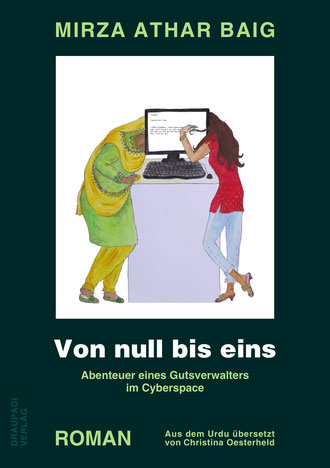
From Zero to One. Adventures of an Estate Manager in Cyberspace (Novel)
Two young men leave their village for the city of Lahore: Faizan, the son of the local landowner, and his school friend Zaki, the estate manager's son. Despite poor starting conditions, Zaki becomes a gifted computer specialist and comes to know the city in all its facets. When he falls in love with the wrong girl and also persuades Faizan to expose the landowners' machinations, a dramatic campaign of revenge begins.
2021
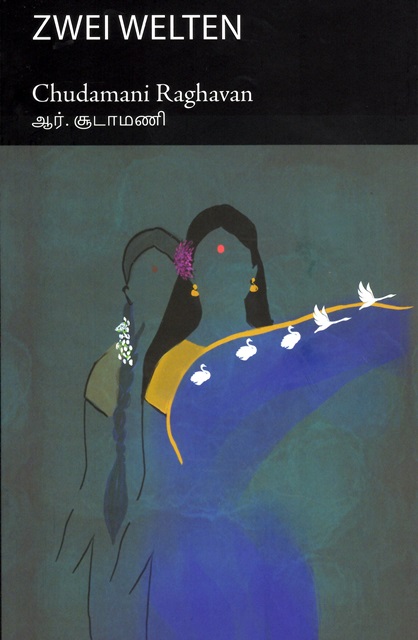
Two Worlds (Stories)
Chudamani Raghavan (1931–2010) was confined from childhood by a physical disability to a life within domestic walls. All the more impressive, therefore, are her nuanced character sketches and her unfailing eye for human behaviour in the 574 short stories she published between 1954 and 2004.
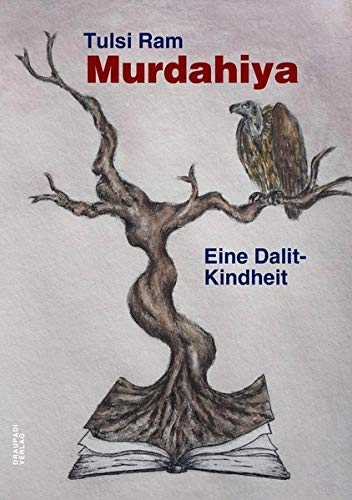
Murdahiya. A Dalit Childhood (Autobiography)
India in the 1950s. Newly independent, the country is on the move. But the lives of Dalits are defined above all by restrictions. Poverty, the discriminatory rules of the caste system, ignorance, and superstition govern everyday existence. The young villager Tulsi Ram recounts his childhood and youth in a Dalit settlement in northern India and his first steps out of the confines of his world.
2020
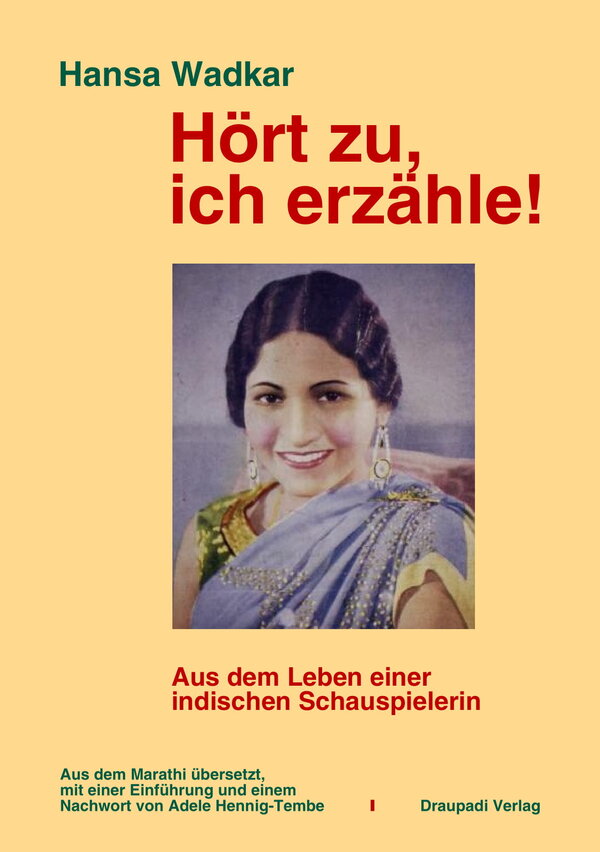
Listen, I'll Tell You! From the Life of an Indian Actress (Autobiography)
First published in Marathi in 1970, Hansa Wadkar's memoirs remain one of the most important Indian women's autobiographies to this day. They offer not only a glimpse into the early years of Indian cinema, but also into the emotional life and struggles of an Indian woman. Professionally, Hansa Wadkar was enormously successful; her private life, by contrast, was marked by exploitation by her own family. She appeared in over 50 films and became one of the most popular actresses in Marathi and Hindi cinema during the 1940s.
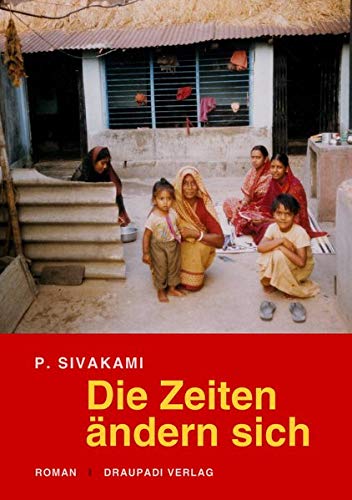
The Times Are Changing (Novel)
A novel from rural southern India that offers a fascinating glimpse into the complex web of relationships between castes and social classes. P. Sivakami, herself a member of an "untouchable" caste, portrays a man who has succeeded in rising to become a respected figure in his village. His wives and daughter, however, experience him as an authoritarian and sometimes irascible patriarch. Sivakami first wrote the book in Tamil in 1989 and later translated it into English herself.
2019
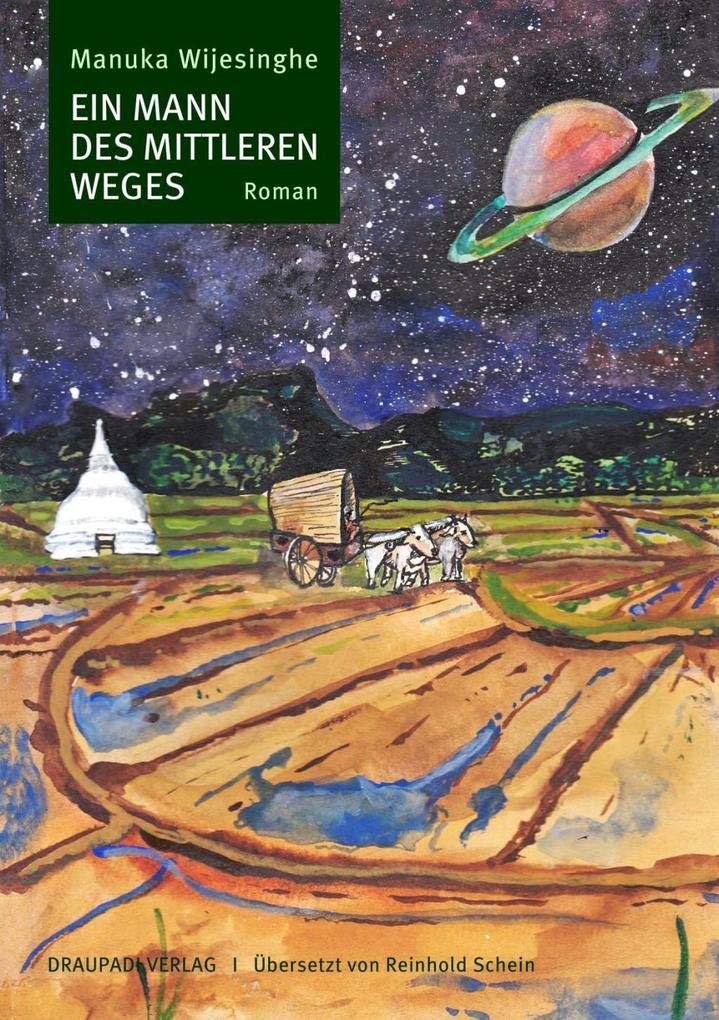
A Man of the Middle Way (Novel)
Following the success of her first novel Monsoons and Potholes, Manuka Wijesinghe again probes the history and soul of her homeland Sri Lanka. In this novel about a village headmaster, his bedrock faith in Theravada Buddhism and the British educational system is challenged by irrational forces — astrology, numerology, mythology, and human desire. With verve, humour, wit, and sarcasm, she weaves together the strict discipline of Theravada Buddhism and the mystical and folk traditions of ancient Ceylon, still very much alive today.
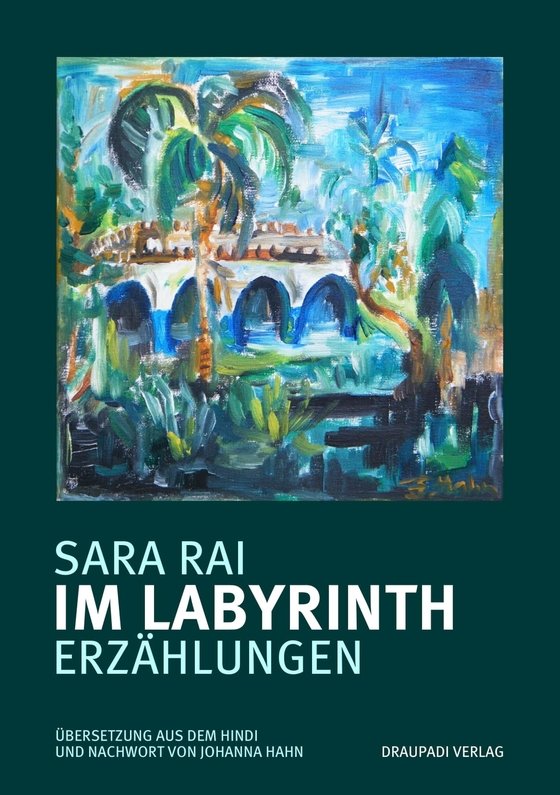
In the Labyrinth (Stories)
What happens to a country like India when turbo-globalisation and colonial legacy collide? In Sara Rai's stories the world is turned upside down: wilderness spreads through the middle of the city, criminals escape justice, palaces crumble to dust. Rai's protagonists are often eccentric loners or outsiders, but also quite ordinary people in the Indian metropolis. Their everyday lives become the starting point for magical moments.
2018
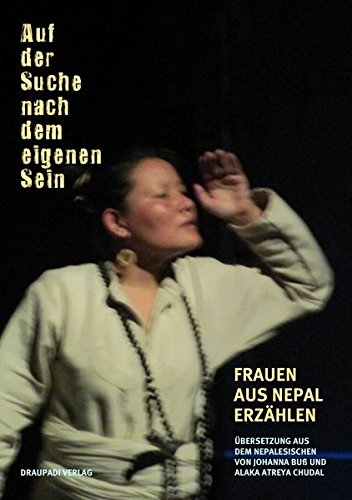
In Search of One's Own Being. Women from Nepal Speak
Twelve Nepali women writers speak candidly about their lives and upbringing as women in Nepal. In Nepal, women are still largely regarded as voiceless beings who are expected to remain in the background and leave speaking to men. All the more revealing, then, to let these women speak for themselves and hear at first hand about their problems, hopes, and longings.
The City, the Sea, the Love (Novel)
"That was the last day of Asrar's and Hina's lives" — so begins this novel, which on publication in 2016 immediately became the most-discussed book in Urdu literature. A young man moves to the metropolis of Mumbai, finds a job, falls in love. A novel brimming with tension and imagination, social criticism, philosophy, and poetry. The diversity of India's Muslim community, the personal and social problems of the younger generation, religious and sexual tensions — all are the subject of this story.
2017
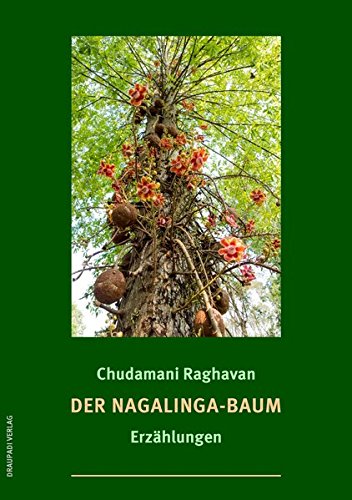
The Nagalinga Tree (Stories)
In her stories the author critically examines deeply entrenched social traditions — for example, marriage negotiations dominated by the future mother-in-law, or the bitter experiences of a young woman in the first years after marriage. Her particular interest is in the life of today, still largely governed by strict tradition, which presents a challenge above all for women.
2016
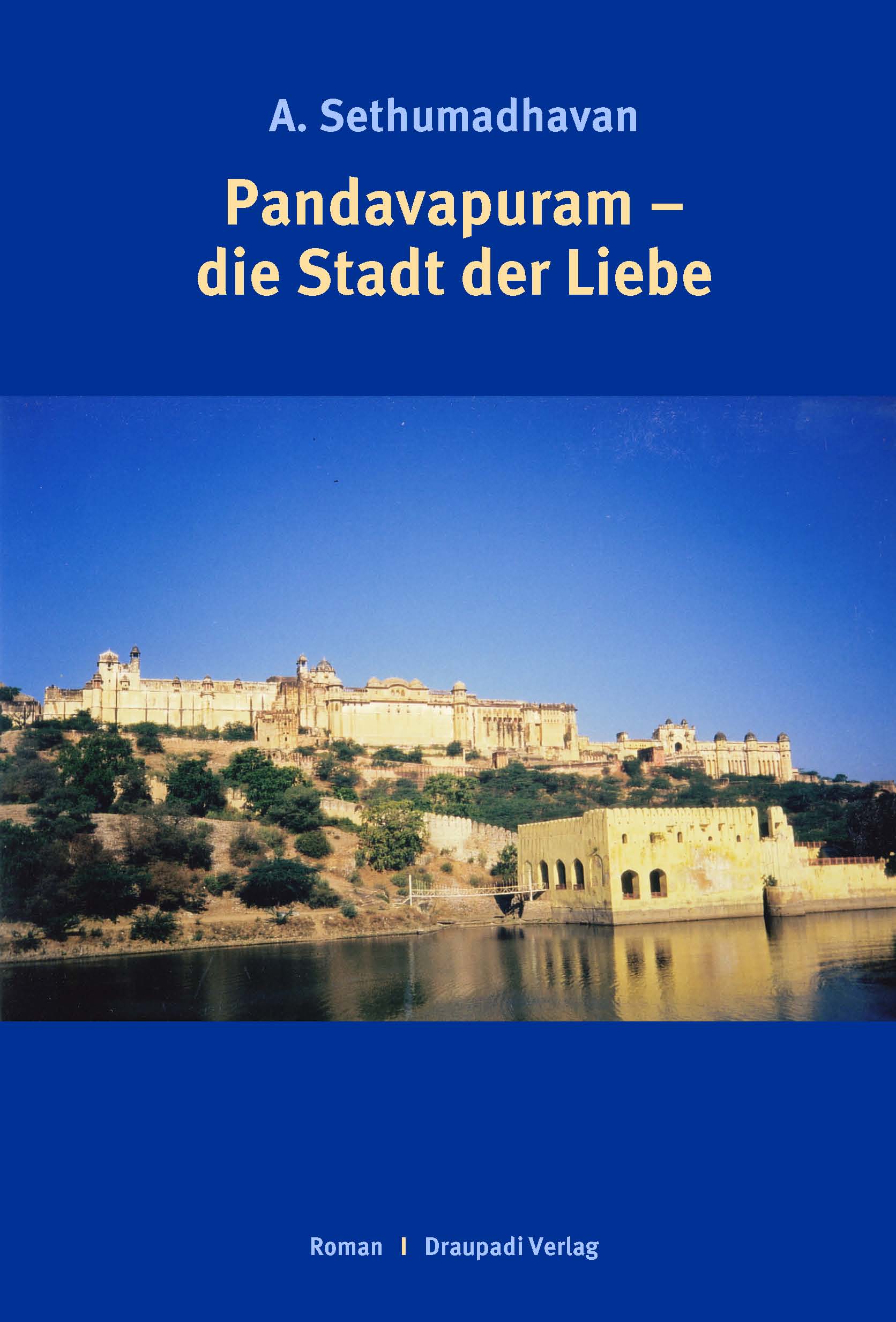
Pandavapuram — City of Love (Novel)
"I crossed the thin line between truth and imagination long ago," says Devi, a teacher in a South Indian village. She receives a visit from a man who claims to have met her before. Devi vigorously denies it. What follows is a game as fascinating as it is enigmatic between the woman and the stranger, leaving open what has actually happened.
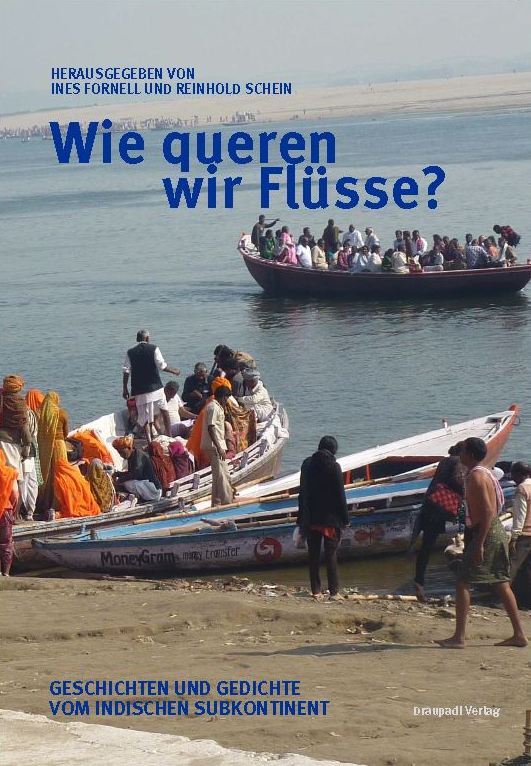
How Do We Cross Rivers? Stories and Poems from the Indian Subcontinent
Anniversary volume marking the tenth anniversary of Literaturforum Indien e.V. The selection of stories and poems aims to offer a cross-section of recent Indian literature. It includes texts from 12 source languages, with some of India's linguistically and culturally close neighbours represented as well. Many of the protagonists face obstacles to be overcome: the social divide between rich and poor, educated and ignorant, respected and despised.
2015
The Walls of Delhi (Two Stories)
Uday Prakash is one of the most important contemporary Hindi writers. Most of his stories deal with life in rural areas, though some are set in the Indian capital Delhi. Two of these stories appear in this volume.
2014
The Call of the Wide World (Stories)
Only a small part of Tagore's short fiction has previously appeared in German. Yet it is precisely these moving stories that speak to people of the twenty-first century. The ten stories in this volume are intended to help readers rediscover the great Indian artist.
2013
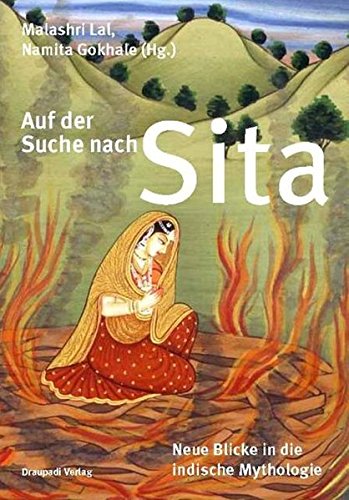
In Search of Sita. New Perspectives on Indian Mythology
Sita, the heroine of the Ramayana, has shaped the lives of India's girls and women for centuries. The essays, interviews, and short stories in this anthology illuminate Sita's role as a role model for many generations and examine how Gandhi and Nehru saw Sita and how she resonates with today's younger generation. The book helps the reader understand how Indians — especially Indian women — think and feel, and what ideals and exemplars they have internalised.
The Brahmin Girl and the Boatman's Son
Mahasweta Devi (1926–2016) is one of the most important Indian women writers. She published more than 50 novels and an even larger number of short stories. This story belongs to her early work.
2012
A Drop of Light (Poetry)
O. N. V. Kurup (1931–2016, Chavara, Kollam, Kerala) was one of the most important contemporary poets of India, a leading lyricist of the classical modern tradition in Malayalam literature, celebrated in India as "a humanist among poets and a poet among humanists". He received numerous national and international awards, most recently the highest literary prize in India (Jnanapitha Award, 2007).
2011
The Hour Past Midnight (Novel)
The Indian writer Salma depicts in her novel the lives of Muslim women in the Indian state of Tamil Nadu. The women live in a closed, male-dominated world. Their lives consist of small rebellions and compromises.
2010
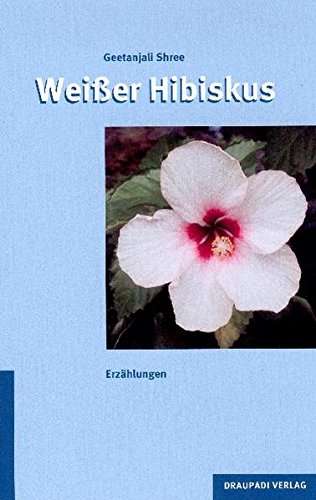
White Hibiscus (Stories)
Geetanjali Shree (born 1957) tells with great precision stories about the many layers of human behaviour. She gained international renown through her novel Mai. Her stories deal with family and relationship structures, with social and religious conflicts. Rather than aiming to tell gripping plots, she seeks to create moods in which feelings, fantasies, and memories can unfold.
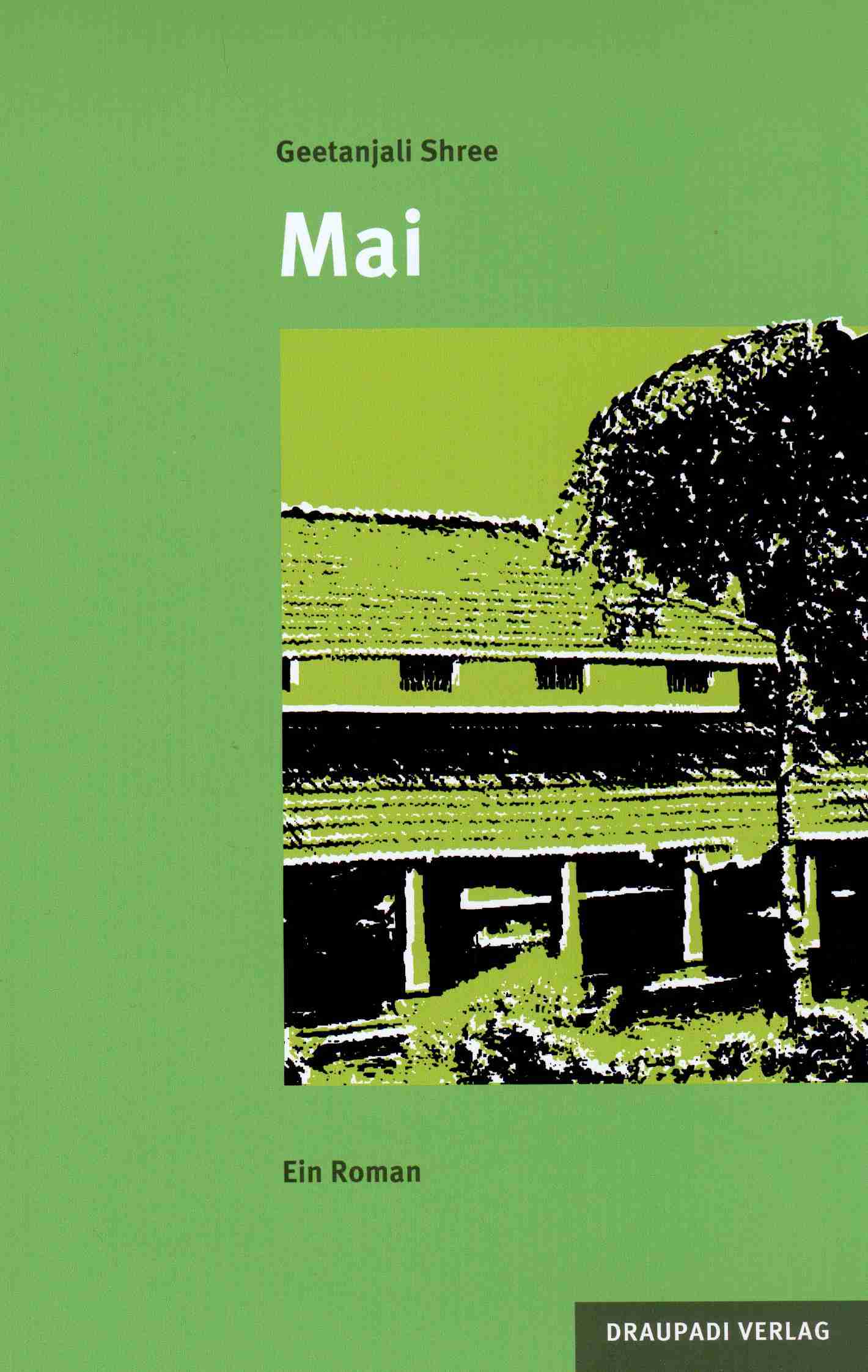
Mai (Novel)
Three generations of a comfortable family in northern India. At the centre stands Rajjo, known in the novel mostly as Mai (the Hindi word for "mother"). Rajjo, who at first seems so weak and unremarkable, gains ever more definition as the work progresses. In Mai, Geetanjali Shree draws a detailed picture of the role patterns and web of relationships in a traditional Indian family.
2009

The Origin of the Rainbow. Tribal Myths from South India
The Origin of the Rainbow leads the reader into the fascinating world of thought and imagination of the Alu Kurumba, a small tribal people from the Nilgiri Hills in Tamil Nadu. The selection from their rich mythological traditions includes myths about creation and the ancestors, myths centring on gods and demons, and stories explaining natural phenomena and the origin of certain animals.
2007 / 2008
The Golden Belt (Stories)
The Indian writer Uday Prakash was born in 1952 in a village in the state of Madhya Pradesh. He is considered one of the most important writers in India. In the five stories of this volume, Uday Prakash achieves an atmospheric density reminiscent of Edgar Allan Poe.